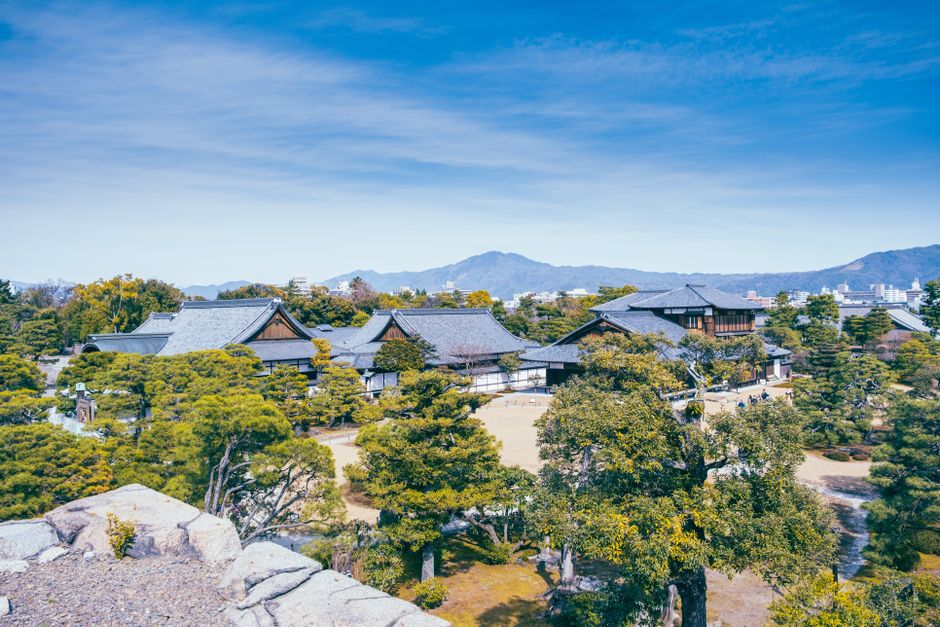
As of 2026, the must-see places in Kyoto include Fushimi Inari Shrine, Kinkaku-ji (Golden Pavilion), Kiyomizu-dera Temple. See highlights, time needed and tips for each below.
Kyoto blends historic landmarks, natural scenery, and local food experiences. We've organized 20 attractions across 4 categories. Each attraction card includes entry fees, opening hours, and local tips so you can plan straight from the page. Use the quick links below to jump to your favorite category.
10,000 vermillion torii gates winding 4km up Mt. Inari. Free entry, open 24 hours. The torii are donated by businesses and individuals — the names and dates are inscribed on each. The mountain itself is the deity (Inari, the god of rice and prosperity). The full summit hike takes 2-3 hours round trip; halfway Yotsutsuji intersection delivers the same iconic photo and is 30-45 min in.
Visit Info
PriceFree
Hours24 hours
Time1-3 hours
Local Tip
Sunrise (6 AM summer, 7 AM winter) is the only time the lower torii path is empty. By 9 AM, tour buses crush the entrance. The Yotsutsuji halfway point is the optimal photo-to-effort ratio.
2
Kinkaku-ji (Golden Pavilion)
Founded 1397 by shogun Ashikaga Yoshimitsu as a villa, converted to a Zen temple after his death. Burned by an arsonist in 1950, rebuilt 1955 — the entire upper two stories now coated in gold leaf. Reflects on the Kyoko-chi mirror pond. UNESCO World Heritage Site. The mirror-pond shot is on the south side; afternoon light is best.
Visit Info
Price$3.30 / ¥500
Hours9:00-17:00
Time30-45 min
Local Tip
Single-path one-way route; don't expect more than an hour. Combine with Ryoan-ji (10-min walk) and Ninna-ji (15 min) for a half-day temple cluster.
3
Kiyomizu-dera Temple
Founded 778 CE, the wooden main hall stands on 13m stilts over the hillside — entirely built without nails. The east balcony delivers Kyoto's signature view; on clear days you see all the way to Osaka. The Otawa Waterfall at the base lets you drink from three streams for longevity, success, or love. UNESCO World Heritage.
Visit Info
Price$3.30 / ¥500
Hours6:00-18:00 (extended in autumn night illumination)
Time1-1.5 hours
Local Tip
Arrive at 6 AM opening to skip the 30-60 min queue. Pair with the Sannenzaka and Ninenzaka stone alleys. Greedy drinking from all three waterfall streams is bad form — pick one.
4
Ryoan-ji Rock Garden
Founded 1450. The most famous karesansui (dry rock garden) in Japan — 15 rocks arranged on white gravel, designed so you can never see all 15 from any single position. The interpretation is that perfect knowledge is impossible. UNESCO World Heritage.
Visit Info
Price$3.30 / ¥500
Hours8:00-17:00
Time45 min - 1 hour
Local Tip
Sit on the wooden viewing platform for 15+ min — the garden reveals itself gradually. The water-feature behind the main hall (a tsukubai stone basin inscribed with a famous Zen riddle) is overlooked but worth seeing.
Nanzen-ji Temple Complex
Head temple of the Rinzai Zen school. The massive Sanmon gate (1628) is one of Japan's three great temple gates — climb to the top for a city view. The aqueduct (built 1890, still functioning) runs through the temple grounds, an unexpected industrial detail. The Hojo garden is a quiet Zen-style classic.
Free to walk the grounds and aqueduct. The climb up Sanmon is the city-view payoff. Pair with Eikan-do (next door) and the Philosopher's Path north.
Sanjusangendo Temple
Founded 1164. Houses 1,001 carved wooden statues of Kannon, the bodhisattva of mercy. The 120m-long hall is the longest wooden structure in Japan. Each statue has 1,000 arms (in symbolic representation) and 11 heads. The visual impact of 1,001 figures arrayed in formation is unique among Japanese temples.
Visit Info
Price$4 / ¥600
Hours8:30-17:00
Time45 min - 1 hour
Local Tip
Photography prohibited inside. Located south of Gion near Kyoto National Museum. Audio guide ($3.30 / ¥500) explains the Buddhist iconography clearly.
Districts & Geisha Culture
5 spots
1
Gion Hanamikoji-dori
Kyoto's geisha district. 400m of preserved Edo-era ochaya (tea houses) where geiko (geisha) and maiko (apprentices) entertain at night. Active geiko houses on this street still operate; the cobbled alley is the most photographed Kyoto street.
Visit Info
PriceFree
HoursBest 17:00-19:00
Time1-1.5 hours
Local Tip
5-7 PM you might briefly see a geiko walking to evening appointments. Photographing them without consent is illegal — $65 / ¥10,000 city fine. Don't block or follow.
2
Gion Shirakawa Canal Alley
A quieter, more photogenic Gion alternative along the Shirakawa canal. Stone-paved street with willows over the water and traditional ochaya facing the canal. Less crowded than Hanamikoji and easier to photograph.
Visit Info
PriceFree
Hours24 hours
Time30-45 min
Local Tip
5-min walk from Hanamikoji. Best at dusk when the lanterns light up. The Tatsumi Bridge area is the canonical photo spot.
Sannenzaka & Ninenzaka
Edo-era stone-paved alleys connecting Kiyomizu to Yasaka Shrine. Lined with 100-year-old townhouses converted to wagashi shops, kimono fabric stores, matcha cafés. The wooden facades and stone paving are protected as a cultural preservation district.
Visit Info
PriceFree
HoursMost shops 9:00-18:00
Time1-1.5 hours
Local Tip
Wagashi Otsuka for traditional sweets, Yasaka Koshindo for the colorful 'kukurizaru' prayer ornament photos. Step carefully — the stones aren't smooth.
Pontocho Alley
Narrow 500m alley along the Kamogawa with 100+ restaurants. May-September features kawadoko (riverside dining decks) extending over the water — a uniquely Kyoto seasonal experience. The lantern-lit alley at night is the canonical photo.
Visit Info
PriceFree walking; dinner $30-200
HoursBest 17:00-23:00
Time1-2 hours
Local Tip
Reservations essential for kawadoko season. Walking the alley is free and worth doing even if not dining. The west side closer to the Kamo River is the lantern-photo zone.
5
Nijo Castle
Started 1601 by Tokugawa Ieyasu, completed 1626 by his grandson Iemitsu as the Tokugawa shogun's Kyoto residence. The 'nightingale floors' squeak intentionally to warn of intruders. The Ninomaru Palace is a museum-grade preserved interior with original gold-leaf wall paintings. UNESCO World Heritage Site.
Visit Info
Price$5.30 / ¥800
Hours8:45-17:00 (last entry 16:00)
Time1.5-2 hours
Local Tip
Walk slowly to hear the nightingale floor squeaks. Pre-book the night illumination (early April cherry blossom) if dates align — books out 2 weeks ahead.
Markets & Modern Kyoto
3 spots
Nishiki Market
#1
Kyoto's Kitchen — 400m of covered arcade with 130+ shops selling pickles, tofu skin, wagashi sweets, sake, knives, kyo-yasai heritage vegetables. Largely closed Mondays. Free to walk; tasting and shopping $15-25 per person for a full grazing session.
Local tip: Walk the entire 400m before backtracking. Free samples at most stalls; cash preferred. Aritsugu (founded 1560, knife specialist) is the destination buy — engraving included.
Kyoto Imperial Palace
#2
Residence of the Imperial Family until 1869 (when it moved to Tokyo). Free guided tours of the throne room, audience chambers, and gardens. The 1,300-room palace complex sits on 220 acres in the city center — a green respite from temple-walking.
Local tip: Walk-in tour reservations Mon-Sat 9 AM; English-language tours twice daily. Photo ID required. The North Park is free walking year-round.
Kyoto International Manga Museum
#3
300,000+ manga volumes from around the world inside a renovated 1929 elementary school. Read freely on the wooden floors and outdoor grass. The most browsable museum in Kyoto — a refuge for cultural fatigue.
$6 / ¥900 10:00-17:30 (closed Wed) 1.5-3 hours
Local tip: Skip if manga isn't your interest — the value is in the reading freedom, not architecture. Garden wagashi vendors during peak hours.
Day Trips & Nature
6 spots
1
Arashiyama Bamboo Grove + Tenryu-ji
500m bamboo path with morning light filtering through giant stalks — Japan's canonical photograph. Adjacent Tenryu-ji (UNESCO, founded 1339) has the Sogen-chi pond garden with 'borrowed scenery' (shakkei) using the surrounding Arashiyama mountains. Togetsukyo Bridge crosses the Katsura River for the iconic view.
Visit Info
PriceBamboo grove free; Tenryu-ji $4 / ¥600
HoursBamboo 24h; Tenryu-ji 8:30-17:00
TimeHalf day
Local Tip
Sunrise (5:45 AM summer) or weekday before 9 AM is the only time the bamboo path is empty. The Sagano Scenic Railway from Arashiyama Station ($6 / ¥880, May-October) follows the gorge — a separate photo experience.
Uji (15 min by JR Nara Line)
Japan's matcha capital since 1185. Nakamura Tokichi (founded 1854) and Tsujiri (1860) are the original tea houses. Byodo-in (1052, the building on the ¥10 coin) is the second draw. Asahi-yaki pottery has made tea pottery since 1599. A perfect half-day pairing.
Visit Info
PriceRound-trip $3 / ¥480; Byodo-in $4 / ¥600
HoursPlan 4-5 hours
TimeHalf day
Local Tip
Leave hotel by 8:30 AM to arrive Uji by 9:30. Nakamura Tokichi opens 10 AM with immediate queues. Pair with Byodo-in pond garden walk and Asahi-yaki tasting.
Nara (35 min by Kintetsu)
1,200 free-roaming Sika deer. Todai-ji's 16m bronze Great Buddha (cast 752 CE) inside Daibutsuden — the largest wooden building in the world when it was built. Kasuga Taisha's 3,000-lantern path is the secondary stop. Half-day fits, full-day includes Naramachi merchant district.
Kintetsu Line is faster than JR for Nara and drops closer to the park. Buy deer crackers ($1.30 / ¥200) only from licensed vendors. Hide them in your bag until ready to feed — deer will mob the wrapper.
Osaka (15 min by JR Special Rapid)
Japan's food capital — Dotonbori, Osaka Castle, Kuromon Market, Universal Studios Japan. 15 minutes from Kyoto Station by JR Special Rapid ($4 / ¥570). The casual food scene beats Tokyo's at every price point under $30, and Kyoto-base hotels save 30% versus Osaka during cherry blossom and autumn seasons.
Visit Info
PriceRound-trip $8 / ¥1,140 by JR
HoursPlan a full day
TimeFull day
Local Tip
Stay in Kyoto, day-trip Osaka for the food scene. Dotonbori at sunset is the iconic experience. Daruma kushikatsu rule: do not double-dip in the shared sauce.
Himeji Castle (60 min by JR Special Rapid)
Japan's most spectacular original castle. Built 1609, never destroyed in war. Six floors of original wooden structure. Nicknamed 'White Heron' for its white plaster walls. UNESCO World Heritage. The combo ticket with Koko-en garden ($10 / ¥1,500) is the right buy.
Visit Info
PriceCastle $7 / ¥1,000; round-trip JR $14 / ¥2,200
Hours9:00-17:00
TimeFull day
Local Tip
Shinkansen Hikari is 25 min one-way ($21) but JR Special Rapid 50 min at $9 is the better value. The climb to the top floor is steep original Edo-era wooden stairs — flip-flops won't work.
Mt. Koya (90 min by Nankai Line)
UNESCO Buddhist temple complex at 800m altitude — the spiritual center of Shingon Buddhism since 819 CE. The Okunoin cemetery walk through 200,000 stone monuments and 1,000-year-old cedars is the centerpiece. 50+ temples offer shukubo (overnight monastery stays) with shojin-ryori dinner and 6 AM prayer service.
Book shukubo 4-6 weeks ahead via Eko-in or Sekishoin (English-friendly). The Okunoin night walk (after dinner) is unforgettable — bring a flashlight. Mt. Koya is cold even in summer; pack layers.
Suggested Walking Routes
Half-day to full-day routes that hit the highlights without backtracking.
Eastern Higashiyama Full-Day Route
About 7 hours
1
Fushimi Inari at sunrise6:00-8:00
Tip: The 6-8 AM window is the only time without crowds. Summit hike is 4 hours round-trip; most stop at Senbon Torii.
2
Kiyomizu-dera + Sannenzaka/Ninenzaka9:00-11:00
Tip: 9 AM opening is the quietest. The stone-paved approach streets are a designated National Preservation District.
3
Gion / Hanamikoji lunch (yudofu or obanzai)11:30-13:00
Tip: Yudofu Sagano $12-19, obanzai at smaller machiya restaurants $17-23.
4
Yasaka Shrine + Maruyama Park13:30-14:30
5
Philosopher's Path + Nanzen-ji15:00-17:00
Tip: Cherry blossom season's #1 walk — 500 trees lining the canal. Free, open 24/7.
Western Arashiyama Half-Day Route
About 5 hours
1
Bamboo Grove at sunrise6:30-7:30
Tip: Empty before 7 AM, crowded by 8. The 500m path is short — sunrise is what makes the photograph.
2
Tenryu-ji garden8:00-9:30
Tip: UNESCO Zen garden, $3.30 entry. Open from 8:30 AM.
3
Sagano Scenic Railway (Hozugawa Gorge)10:00-10:30
Tip: 25-min vintage train, $6, book 30 min ahead. Autumn foliage season requires reservations weeks ahead.
4
Togetsukyo Bridge + lunch11:30-13:00
Tip: Riverfront cafés and udon shops. Lunch $8-12 per person.
By Interest
Quick picks based on travel style — couples, families, budget travelers, and more.
Couples / Honeymoon
Aman Kyoto or Tawaraya Ryokan night + 3-Michelin kaiseki + sunrise Fushimi Inari
Kyoto holds Japan's deepest concentration of luxury ryokan and 3-Michelin kaiseki houses. Sunrise Fushimi becomes a private space for two.
Activity-led day for ages 5-15. Kids feeding bowing deer at Todai-ji is a lifetime photo, and the kimono fittings at Yumeyakata or Wargo cost $20 for a full day's wear.
Kyoto's 1,074 years as imperial capital concentrated in one route. Ninna-ji and Ryoan-ji draw fewer foreign tourists than Kinkaku-ji nearby — better atmospheres.
The two pillars of Kyoto kaiseki (Kikunoi, Hyotei) plus the market and Buddhist temple cuisine. Lunch at top kaiseki houses is 40-60% of dinner price.
First-time Japan visitors
Stay in Osaka and day-trip Kyoto via Hankyu Kyoto Line + Fushimi/Gion/Kiyomizu/Arashiyama essentials
Hotel costs 30-40% lower than Kyoto base, $5.30 round-trip train, 45 minutes each way. A 2-day Kyoto focus through Osaka base is the smart first-Japan calculation.
Practical Tips
Local know-how that saves you time and money on the ground.
1
Book hotels 3-6 months ahead for cherry blossom (April) and autumn foliage (November).
2
Sunrise visits to Fushimi Inari and Arashiyama avoid all crowds.
3
No photos of geiko/maiko in Gion — $700 fine.
4
Stay in Osaka, day-trip to Kyoto saves $50-100/night peak seasons.
5
Nishiki Market most fresh 10 AM-noon weekday.
Getting Around
Bus system more important than 2-line subway. 1-day bus pass $5 / ¥700. Bicycle rental $10/day for short distances. Walking realistic for many central sights.
Book Tours & Activities in Kyoto
Booking online is typically cheaper than walk-up rates and reserves your spot.
Common questions about attractions and activities in Kyoto.
What are the five must-see places in Kyoto?
First, Fushimi Inari Shrine. The 10,000-gate vermilion torii tunnel winds 4km up Mt. Inari — free, 24 hours, and the iconic Kyoto photo. Sunrise (6 AM summer, 7 AM winter) is the only time the lower path is empty. Second, Kinkaku-ji (Golden Pavilion, $3.30). The three-story gold-leaf pavilion reflected on Kyokochi pond was rebuilt 1955 after a 1950 arson fire — UNESCO World Heritage. Third, Kiyomizu-dera ($3.30). Founded 778 CE, the wooden main hall stands on 13m stilts above eastern Kyoto with no nails — the east balcony delivers Kyoto's signature city view. Pair with the Sannenzaka and Ninenzaka stone alleys. Fourth, Arashiyama Bamboo Grove + Tenryu-ji ($6.60 entry to temple gardens). The 500m bamboo path and the 1339 Tenryu-ji garden (UNESCO) make a half-day west-side itinerary. Fifth, Gion. The 400m Edo-era preserved district where geiko (geisha) and maiko (apprentices) move between teahouses 5:30–7:30 PM. Three days fits the headline five; five days adds Nara or Uji; seven days adds Himeji or Mt. Koya.
What can you do in Kyoto for free or nearly free?
Fushimi Inari is free and open 24 hours — the full 4km torii hike costs nothing. Gion Hanamikoji-dori and Gion Shirakawa Canal Alley are free Edo-era street walks. Sannenzaka and Ninenzaka stone alleys are free (Kiyomizu entry is separate). The Philosopher's Path (2km canal walk lined with 500 cherry trees) is free year-round. Heian Shrine's outer grounds (the massive vermilion torii is the highlight) are free. The Arashiyama Bamboo Grove path itself is free; only Tenryu-ji garden entry ($6.60) costs money. The Kamogawa riverside walk between Shijo and Sanjo bridges is one of Kyoto's best free atmospheres. Kyoto Imperial Palace offers free English-guided tours (walk-in Mon–Sat, 9 AM, photo ID required). Doshisha and Kyoto University campus walks are free and show the academic side of the city. The North Park of the Imperial Palace is free year-round.
Which Kyoto attractions are expensive, and how do I save?
Temple entry fees stack up — Kiyomizu-dera ¥500, Kinkaku-ji ¥500, Ryoan-ji ¥600, Tenryu-ji ¥1,000, Ginkaku-ji ¥500, Tofuku-ji Tsutenkyo ¥1,000 (autumn), Nijo Castle ¥800. Combined, still cheaper than a single NYC attraction. The 'Kyoto Sightseeing Card 1/2-Day Pass' (¥700/¥1,200) covers all city buses and subways unlimited — essential because Kyoto only has 2 subway lines and buses are the real workhorse. The 'JR Kansai Wide Area Pass' 5-day ($76) covers unlimited Kyoto–Osaka–Kobe–Himeji–Nara. Maiko kaiseki dinners (Gion Hatanaka, Gion Toh) cost $200–350 per person — worth once, not nightly. Hoshinoya Kyoto at $1,000–2,000/night is honeymoon-tier only. Michelin kaiseki lunch courses (Kikunoi, Hyotei) run $70–135 — half the price of dinner with the same chef. Temple night illumination season (spring and fall) adds ¥400–600 to standard entry.
What are the best day trips from Kyoto?
Osaka is 15 min by JR Special Rapid (¥570 / ~$3.80 one-way) — full Dotonbori + Osaka Castle day. The Hankyu Kyoto line at ¥400 drops closer to Gion. Nara is 35 min by Kintetsu (¥640 / ~$4.30) — Todai-ji Great Buddha, the deer park, Naramachi alleys in 4–5 hours. Uji is just 15 min by JR Nara Line (¥240 / ~$1.60) — Byodo-in Phoenix Hall (the building on the back of the ¥10 coin), matcha tea heritage, and a riverboat trip. Kobe is 50 min by JR Special Rapid (¥1,100 / ~$7.30) — Mt. Rokko night view, Nankinmachi (Kobe Chinatown), and the Harborland waterfront. Himeji is 90 min by JR Special Rapid (¥2,310 / ~$15) — Himeji Castle (one of Japan's three premier castles, UNESCO, founded 1333). Mt. Koya is 2 hours via Nankai (¥1,990 / ~$13) — 117 temples and monasteries with overnight monastery stays from ¥10,000 ($67). The JR Kansai Wide Area Pass 5-day covers them all. July's Gion Matsuri (one of Japan's top three festivals), October's Jidai Matsuri, and the May Aoi Matsuri turn day trips into festival itineraries.
Where is Kyoto good for kids?
Kyoto Railway Museum ($8, 20-min walk from Kyoto Station) is Japan's largest — Shinkansen and steam locomotive exhibits with driving simulators. Umekoji Park, Kyoto Aquarium ($16), and Kyoto International Manga Museum ($6 — 300,000 volumes free to read) are kid-friendly. Arashiyama is the standout family district: Sagano Romantic Train (¥880 one-way, 25 min), Togetsukyo Bridge, Iwatayama Monkey Park. Fushimi Inari overwhelms kids visually — the torii tunnel doesn't need to be done all the way up; turn around at the Yotsutsuji halfway point (1-hour round trip). The Sannenzaka and Ninenzaka stone alleys next to Kiyomizu-dera offer kimono rental, traditional wagashi-making workshops, and matcha cafes that kids love. Temple-heavy itineraries are an adult thing — pick one or two and balance with these family spots. Gion at night has crowds, alcohol, and the strict photo etiquette — skip with younger kids; Shirakawa Canal alley is quieter and kid-friendly.
Where are the best Kyoto night views and sunset spots?
Kiyomizu-dera night illumination ($3.30 + premium) tops the list — open only during autumn foliage (mid-Nov to early Dec), cherry blossom (late Mar to early Apr), and August. The view from the wooden stage with illuminated maples is the signature shot. Shogunzuka Seiryu-den ($5 — on the eastern hill above Kiyomizu) gives a Kyoto panorama plus night-lit grounds and almost no crowds. Kyoto Tower ($7, 131m, built 1964) offers the central night view right above Kyoto Station. The massive vermilion torii of Heian Shrine is best at golden hour (5–6 PM, free). Pontocho Alley at night — the 500m lantern-lit alley along the Kamogawa, with kawadoko (riverside dining decks) from May to September — is iconic and free to walk. The Kamogawa riverside walk between Shijo and Sanjo is also free, with the kawadoko decks lit overhead. For the traditional payoff: Tofuku-ji's Tsutenkyo bridge at night (autumn only) with the Hojo garden and the ceiling dragon painting illuminated together.
What scams or rip-offs should I watch for in Kyoto?
Photographing geiko or maiko on Gion's Hanamikoji-dori without consent is a ¥10,000 (~$67) city fine since 2019 — also illegal to block or follow them. Real geiko never pose for tourist photos. Watch for costumed fake-maiko offering paid photos ($30–50) — they're not geiko. Some temples have informal 'count the rocks' or 'special garden' touts charging ¥1,000–2,000 — not the official temples. Fushimi Inari has scattered fake fortune tellers, 'AI soul photos', and pseudo-religious pitches at the gate. Sannenzaka machiya 'special courses' at $70–135 are sometimes priced 2x a standard kaiseki — verify before sitting down. Temple amulets cost ¥500–1,000 — be wary of pressure for 'special amulets' at ¥5,000–10,000. Foreign cards work at Japan Post and 7-Eleven ATMs only. Kyoto enforces temple etiquette strictly — no loud talking, no phone calls inside, and removing shoes properly is non-negotiable. The locals' tourism fatigue is real, especially in Gion — be respectful and don't be the visitor who confirms the stereotype.
What are the lesser-known local spots most tourists miss in Kyoto?
Ohara (大原) is an hour bus ride from Kyoto Station — peak fall foliage at Sanzen-in and Jakko-in temples, plus the original shibazuke pickle birthplace and pure Japanese rural landscape. Kibune (貴船) is an hour via Eizan Railway plus bus — May–September riverside kawadoko dining decks ($70–135 kaiseki) are a uniquely Japanese seasonal experience. Kurama (鞍馬) is next to Kibune — a 1.5km mountain trail and Kurama-dera (8th century, setting for the novel 'Genna no Shorai') makes a perfect hour walk. Daigo-ji (醍醐寺, founded 874 CE, UNESCO) east of Fushimi was Toyotomi Hideyoshi's lavish cherry blossom party site — peak in the first week of April with 1/3 the crowds of central Kyoto. Saiho-ji (西芳寺, the 'Moss Temple') requires postal reservation ($20) — you copy a sutra before entering, then walk Japan's ultimate Zen moss garden. Fushimi Momoyama (伏見桃山) is one stop from Fushimi Inari — 30 sake breweries with tasting, museum, Hideyoshi's Fushimi Castle, and Japan's sake heritage capital. Kyoto's monthly antique markets — Kitano Tenmangu (25th of each month) and To-ji (21st of each month) — are the real-deal source for Japanese antiques, kimono, ceramics, and tea ceremony tools. Three-Michelin-star Kikunoi (★★★ since 2009) and 420-year-old Hyotei serve lunch kaiseki courses at $70–135 — once-in-a-lifetime at half the dinner price.
More on Kyoto
Cost guide, itineraries, hotel picks — everything in one place.
Jimmy Kong
TripPick founder · Travel content creator
Based in Chiang Mai for 8+ years, with 30+ countries visited across Southeast Asia, Japan, and Europe. Every detail in this guide is primary-source verified as of April 2026, with prices auto-refreshed via live exchange rate APIs. This isn't AI-generated boilerplate — it's written from the perspective of someone who has actually been there.
8+ years analyzing travel data
30+ countries visited
Live exchange rate verified
 Japan
Japan  1
1