Philippines ⛅ 27°C · Now
World's #1 Island · Nov-May dry season
Philippines ⛅ 27°C · Now
World's #1 Island · Nov-May dry season Palawan
Philippines

Palawan at a glance
As of 2026, Palawan travel is best in Nov, Dec, Jan, Feb, Mar, Apr, May, from about $45/day (budget, ex-flights), with a 3-day itinerary. Top sight: Tour A — Big Lagoon, Small Lagoon, Secret Lagoon, Shimizu Island.
$45+
Budget tier · excl. flights
From major hubs
PPS (Puerto Princesa Intl) · ENI (El Nido Lio) · USU (Coron Busuanga)
Visa-free 90 days
For most Western passports
$1 ≈ ₱61.7
PHP · indicative rate
Nov, Dec, Jan, Feb, Mar, Apr, May
Currently Jun
Tropical (27-33°C year-round; dry Nov-May
Now ⛅ 27°C
01:24
PHT (UTC+8, no daylight saving)
Filipino + English
English universal in tourism
Why visit Palawan?
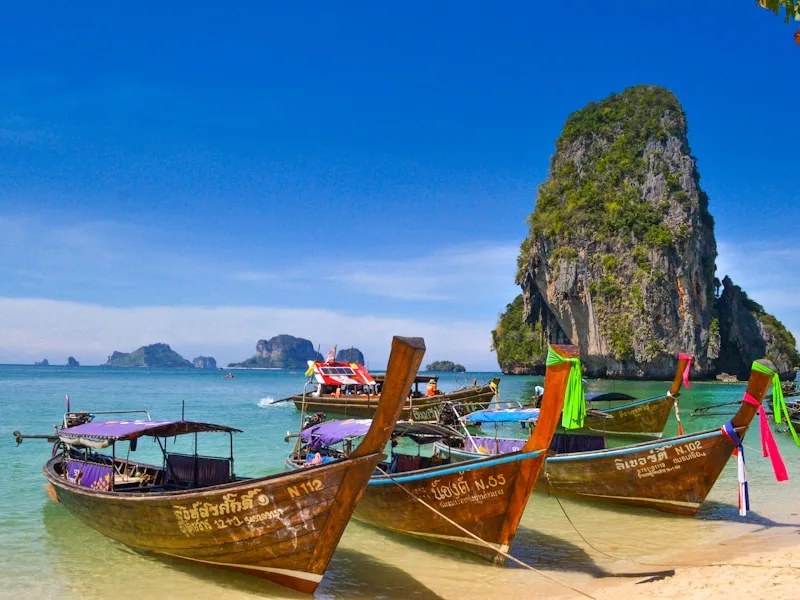
Palawan was named the World's #1 Island by Travel+Leisure six times between 2013 and 2020, and the surprise on arrival is that the title doesn't feel inflated. Limestone karst cliffs drop straight into bays the color of a swimming pool, kayaks are the only way into a handful of the lagoons, and the islands of the Bacuit Archipelago are spread thinly enough that even a packed boat tour gives you long stretches alone on the water. The province is a 600km thin sliver of land in the southwest Philippines, with only one main road running north-south — once you commit to a base, you commit.
There are three places worth knowing. El Nido at the north tip is the postcard you've seen: 45 limestone islands scattered across Bacuit Bay, organized into four standardized boat itineraries (Tour A through D, ₱1,400–1,800 / $25–32 per person, lunch and snorkel gear included). Coron, a separate island four hours north by ferry, is the other side of Palawan — twelve sunken Japanese WWII warships at depths from 10–40m draw scuba divers from across Asia, and Kayangan Lake is widely considered the cleanest lake in the country. Puerto Princesa, the capital and main air hub, is where most travelers land and where the UNESCO-listed Subterranean River runs through an 8.2km cave system you enter by boat. Skip Puerto Princesa and you skip the Underground River; skip El Nido or Coron and you skip the reason most people fly here.
The Tour A lagoons are the trip's centerpiece. Big Lagoon is a sheer-walled canyon of water you enter through a gap so narrow that some boats can't fit; on a windy day the lagoon stays mirror-flat while the bay outside chops. Small Lagoon is the kayak-only follow-up — you paddle through a tunnel with a stone ceiling so low you duck your head, and the entry moment is genuinely one of the more memorable thirty seconds in Southeast Asia. Secret Lagoon involves swimming through a chest-deep crack in the cliff to reach a hidden pool the size of a tennis court. Tour A also includes Shimizu Island for lunch and snorkeling. Tour C — the second-best — adds Hidden Beach, Helicopter Island, and Matinloc Shrine. Tours B and D are quieter and worth it only if you've already done A and C.
Coron is its own world. The WWII shipwrecks rest at 10–40m depth on the seabed — the Akitsushima (a seaplane tender, 30m), the Irako (a refrigeration ship, 40m), the Olympia Maru (a freighter, 25m) — and Advanced Open Water certification gets you onto the deeper ones. Even snorkelers can see the upper sections of the shallower wrecks. Kayangan Lake is a 10-minute stair climb up and over a karst ridge to a freshwater lake fed by underground springs; the viewpoint partway up is the photo every Coron trip uses. Twin Lagoons involves swimming under a rock partition between two lagoons separated only by the karst. Barracuda Lake is the dive site — water layers stratified into freshwater, saltwater, and thermal zones with temperatures shifting from 28°C to 38°C as you descend.
Puerto Princesa Subterranean River is the third major draw. The 8.2km river runs through a limestone cave system filled with stalactites and bat colonies, and you ride it in a small boat with a guide for about 45 minutes. UNESCO World Heritage since 1999 and named one of the New 7 Wonders of Nature in 2012, the site caps daily visitors at around 900, so permits sell out a week ahead in peak season (December–April). Tours from Puerto Princesa city run ₱1,500–2,500 ($27–45) including the 1.5h van ride to Sabang Wharf and the 30-minute outrigger boat to the cave mouth. Honda Bay island hopping ($25–35) is the lighter half-day option — Cowrie, Pandan, and Luli islands with sandbar walks, snorkeling, and lunch.
Beach choices beyond the tours: Nacpan Beach is a 4km white-sand crescent 17km north of El Nido town, reached by a 40–50 minute tricycle ride (₱500–700 / $9–13 round trip). It's quiet even in peak season because the boat tours don't stop here. Las Cabañas Beach is closer (15-min tricycle south of El Nido) and the canonical sunset spot with a 400m zipline running along the coast. Long Beach in San Vicente is 14km of empty white sand — the longest in the Philippines, accessible only by van from El Nido or Puerto Princesa (3–4h either way).
Filipino food at the casual end is some of Southeast Asia's most underrated. Adobo (chicken or pork braised in soy sauce, vinegar, garlic, and bay leaves) is the unofficial national dish — $4–8 with rice at any local turo-turo (point-and-eat) cafeteria. Sinigang is the sour tamarind soup with pork or shrimp ($5–9) that locals eat year-round. Kinilaw is the Filipino ceviche, fresh fish cured in vinegar, calamansi (Filipino lime), ginger, and chili. Lechon (whole roasted pig) is the celebration food — order a quarter-portion ($8–15) at any beachside grill. Halo-halo is the must-try dessert — shaved ice piled with sweet beans, ube (purple yam), leche flan, jackfruit, and evaporated milk ($3–5). The honest take on tamilok: it's a saltwater clam, not a worm, despite the name and presentation, but the slimy texture and vinegar bath are divisive. Try it once at Kinabuchs in Puerto Princesa if you're going to.
Getting in is via Manila (NAIA) or Cebu in 99% of cases. Direct flights from Korea, Japan, Hong Kong, Singapore, and several Australian cities run to Manila; from there it's 1h30 by AirSWIFT directly to El Nido's Lio airport ($110–180), or 1h to Puerto Princesa via Cebu Pacific or Philippine Airlines ($30–80 with advance booking). El Nido and Puerto Princesa are connected by a 5–6 hour van ride ($8–12) — bumpy and slow but it's the budget option. Coron requires a separate flight to Busuanga or a 4h fast ferry from El Nido ($25–35) — the ferry is reliable during dry season and unreliable during the monsoon.
The honest caveats: peak season (December–April) at El Nido is genuinely overcrowded — boats stack 20–30 deep inside Big Lagoon between 11 AM and 2 PM, and the town's tiny grid clogs at sunset. The fix is timing: dawn departures (6:30 AM private boat) get you the lagoons alone for the first 90 minutes before the tour fleet arrives. Wet season (June–October) can be a great-value gamble — hotel rates drop 40–50%, the islands are empty, and many days are actually fine — but August and September carry real typhoon risk, and when boats are grounded you lose the entire reason you came. November and May are the shoulder months that locals quietly prefer: most days clear, prices 25–30% lower than peak, and the lagoons noticeably less crowded. Electricity in El Nido proper has improved but still cuts out occasionally; mid-range hotels run backup generators, budget guesthouses sometimes don't. Internet is functional for messaging and basic browsing but not for video calls or streaming — assume 3G speeds even with full bars.
Bottom line: Palawan is the bucket-list Philippines for a reason — the lagoons in particular are genuinely unique in Southeast Asia, the diving at Coron is world-class, and the Underground River is one of the planet's stranger boat rides. Plan five days minimum (El Nido alone needs three), seven to cover both El Nido and Coron, and ten if you want Puerto Princesa, El Nido, Coron, and a beach day at Nacpan or San Vicente.
Things to do in Palawan
Lagoons & Island Hopping (El Nido)
Tour A — Big Lagoon, Small Lagoon, Secret Lagoon, Shimizu Island
The canonical El Nido day. Big Lagoon is a sheer-walled karst canyon with water the color of swimming-pool tile — boats enter through a gap so narrow some can't fit. Small Lagoon is kayak-only, reached through a low stone tunnel you duck under, and the entry moment is the most-photographed thirty seconds on the trip. Secret Lagoon is a hidden pool accessed by swimming through a chest-deep crack in the cliff. Shimizu Island is the lunch and snorkel stop. Lunch (grilled fish, pork, rice) and snorkel gear included.
Tour C — Hidden Beach, Matinloc Shrine, Helicopter Island, Star Beach
The second-best El Nido tour and the one most locals recommend if you're only doing one. Hidden Beach is a curved white-sand cove behind a karst wall you swim through to reach. Matinloc Shrine is a half-ruined chapel on an outer island with a viewpoint over the archipelago. Helicopter Island has a long beach with a swing tied to a coconut palm — the Instagram shot of El Nido. Star Beach has resident starfish in clear shallows. Less crowded than Tour A because Big Lagoon isn't on it.
Private Bangka Tour (custom 4–5 stops)
Charter a private outrigger boat with captain and crew for 6 hours and design your own route. Skip the touristy Tour A stops at peak hours and time arrivals to land at lagoons either before 9 AM or after 3 PM. Captains know the gap days when specific islands are quiet. Up to 6 passengers, includes captain, crew, snorkel gear, fuel, lunch (extra ₱500/person if you want the catered version). Worth the cost split among 4–6 people.
Beaches & Diving
Nacpan Beach (17km north of El Nido)
A 4km white-sand crescent 40–50 minutes north of El Nido town by tricycle. Empty enough that even peak-season afternoons feel uncrowded. Coconut palms line the back of the beach; a handful of beach shacks sell ₱150 ($3) coconut shakes, fresh ceviche, and grilled fish. Sunset is the reason to come — the beach faces directly west and the karst silhouettes light up around 5:30 PM. A few simple guesthouses sit behind the tree line at $30–60/night if you want to wake up here.
Coron Island Hopping — Kayangan Lake + Twin Lagoons + Barracuda Lake
Coron's equivalent of El Nido's Tour A, but on freshwater lakes hidden inside karst islands. Kayangan Lake is reached by a 10-minute stair climb up and over a karst ridge to a viewpoint, then down to a freshwater lake fed by underground springs — visibility 10+ meters, water transparent enough to read a book through 4m of it. Twin Lagoons involves swimming under a karst partition between two lagoons. Barracuda Lake has stratified thermoclines — water temperature jumps from 28°C to 38°C between layers, the dive site's draw.
Coron WWII Wreck Diving (Akitsushima, Irako, Olympia Maru)
Twelve Japanese WWII warships sunk by US air attack in September 1944 rest on the Coron seabed at depths from 10–40m, and dive operators rate the cluster among the top three wreck-diving sites in the world (Truk Lagoon and the Red Sea are the others). The Akitsushima (seaplane tender, 30m) is the most penetrable. The Irako (refrigeration ship, 40m) requires Advanced Open Water certification. Olympia Maru (freighter, 25m) is the open-water introduction. Even snorkelers can see the upper sections of the shallowest wrecks.
Heritage & Natural Wonders
Puerto Princesa Subterranean River (UNESCO World Heritage)
An 8.2km underground river flowing through a limestone cave system, navigable by small outrigger boat for the first 1.5km. UNESCO World Heritage since 1999 and named one of the New 7 Wonders of Nature in 2012. The cave is filled with stalactites, stalagmites, and several massive bat colonies — your guide points out 'the Holy Family,' 'the mushrooms,' and 'the dragon' in the rock formations during the 45-minute boat ride. The cave mouth is at Sabang on Palawan's west coast, 1.5h from Puerto Princesa city.
Iwahig Firefly Watching River
Mangrove river 30 minutes south of Puerto Princesa where thousands of fireflies cluster on the riverbank mangroves after dark — the trees light up in synchronized pulses that visitors compare to Christmas lights. Reached by traditional paddle boat (no engine, to avoid disturbing the fireflies); the guide also points out bioluminescent plankton in the water. A non-touristy 1.5h experience that most travelers skip — most miss it because it's not on the day-tour packages.
Honda Bay Island Hopping (Cowrie, Pandan, Luli, Snake Island)
Half-day boat tour from Puerto Princesa covering 3–4 small islands in Honda Bay. Cowrie Island has the best snorkel reef and a quiet beach. Pandan Island is the lunch stop — grilled fish, kinilaw ceviche, chicken adobo, fresh fruit on a shaded picnic table. Luli Island ('lulubog-lilitaw' — 'now-you-see-it, now-you-don't') is a sandbar that disappears at high tide. Snake Island has a long curving sandbar shaped like the name suggests. Cheaper and shorter than the El Nido tours but a solid Puerto Princesa add-on.
Sunset & Day-Trip Spots
Las Cabañas Beach — sunset + zipline (15-min tricycle south of El Nido)
The canonical El Nido sunset spot — a 1km curving beach 5km south of town that faces directly west into the Bacuit Archipelago. Coconut palms, white sand, karst silhouettes lighting up at 5:30 PM, and the famous 400-meter zipline running diagonally from a cliff above the beach to a small offshore island. Cheap beach bars, hammocks, and grilled-fish dinner stalls. The honeymoon photo most El Nido couples leave with comes from here.
Taytay Mangroves + firefly tour (between El Nido and Puerto Princesa)
Taytay is the old colonial capital of Palawan, 2h drive south of El Nido on the road to Puerto Princesa. The mangrove river there hosts an after-dark firefly cluster equivalent to Iwahig's but with fewer visitors — most travelers fly between El Nido and Puerto Princesa rather than driving, so Taytay is genuinely off the standard route. Also has a 17th-century Spanish fort (Fort Santa Isabel) on the coast and a quiet stretch of beach that almost no tourists reach.
Puerto Princesa Baywalk + Plaza Cuartel + Iwahig night fireflies
The Puerto Princesa city evening: 2km baywalk along Honda Bay with sunset views, food stalls, a bandstand with live music on weekends, and street vendors selling halo-halo and grilled chicken inasal. Plaza Cuartel is the old Japanese WWII garrison ruin (somber, brief — 15 minutes is enough) next to the baywalk. Cap the evening with the Iwahig firefly river tour 30 minutes south of the city. The whole circuit is the easiest way to spend a final day before flying out.
Travel cost
Per person, per day (excludes flights)
Hostel + local food + public transport
$45
≈ ₱2776.50 PHP
Per person / day (excl. flights)
📅 Total cost by trip duration (incl. flights)
3 days
$180
≈ ₱11106.00
5 days
$290
≈ ₱17893.00
7 days
$380
≈ ₱23446.00
Flight estimate: $850–1,500 from US/EU via Manila; $200–500 from Asia (Manila/Cebu direct to PPS or Lio) (round-trip estimate)
Monthly weather
Currently in Palawan: ⛅ 27°C
Palawan now (Jun)
High 31°C / Low 25°C· Hot
Jan 🔥
High 30°C / Low 24°C
Hot
★ Best time to visit
Feb 🔥
High 30°C / Low 24°C
Hot
★ Best time to visit
Mar 🔥
High 31°C / Low 25°C
Hot
★ Best time to visit
Apr 🔥
High 32°C / Low 26°C
Very Hot
★ Best time to visit
May 🔥
High 32°C / Low 26°C
Very Hot
★ Best time to visit
Jun 🔥
High 31°C / Low 25°C
Hot
Jul 🔥
High 30°C / Low 25°C
Hot
Aug 🔥
High 30°C / Low 25°C
Hot
Sep 🔥
High 30°C / Low 25°C
Hot
Oct 🔥
High 30°C / Low 25°C
Hot
Nov 🔥
High 30°C / Low 24°C
Hot
★ Best time to visit
Dec 🔥
High 30°C / Low 24°C
Hot
★ Best time to visit
Jan
🔥
30°
24°
Hot
★Best
Feb
🔥
30°
24°
Hot
★Best
Mar
🔥
31°
25°
Hot
★Best
Apr
🔥
32°
26°
Very Hot
★Best
May
🔥
32°
26°
Very Hot
★Best
Jun
🔥
31°
25°
Hot
NOW
Jul
🔥
30°
25°
Hot
Aug
🔥
30°
25°
Hot
Sep
🔥
30°
25°
Hot
Oct
🔥
30°
25°
Hot
Nov
🔥
30°
24°
Hot
★Best
Dec
🔥
30°
24°
Hot
★Best
Practical information
Getting there
Getting around
Money & payments
Language
Cultural tips
Money & payment
Currency
PHP (Philippine Peso) is the working currency — ₱56 ≈ $1.00 (May 2026). USD accepted at some El Nido and Coron hotels at a 5–10% markup.
Card acceptance
Mid-range and high-end hotels and some restaurants in Puerto Princesa and El Nido town accept Visa/Mastercard. Coron is cash-mostly. Tricycles, boat tours, beach bars, and street food are cash-only.
Tipping
Tipping is expected in tourism contexts. Boat crew ₱100–200 per person per day, dive guides ₱200–400 per dive, restaurant 10% if no service charge, hotel housekeeping ₱50–100/day, drivers ₱100–200 per ride.
ATM
BPI, BDO, and Metrobank ATMs in Puerto Princesa city work reliably. El Nido has 2–3 ATMs that occasionally run out of cash in peak season. Coron coverage is patchier. Bring cash from Manila/Cebu for the first few days as backup.
Recommended itinerary
Palawan 3-day route
Day 1 Puerto Princesa + Honda Bay
09:00
Honda Bay island hopping (Cowrie + Pandan + Luli)
3 island hops + snorkeling + lunch; ¥1,500 ($28)
🎫 20% off — Book lowest price12:00
Lunch on Pandan Island (included in tour)
Filipino BBQ + grilled fish + rice
15:00
Snake Island sandbar (Honda Bay)
Snake-shaped sandbar appears at low tide
18:00
Iwahig Firefly Watching River
Boat ride + thousands of fireflies in mangroves; ¥800 ($15)
20:00
Dinner at Kalui Restaurant (Filipino fine dining)
Sustainable Filipino cuisine + native ingredients ¥800-1,500
Day 2 Subterranean River UNESCO
08:00
Drive to Sabang (1.5h, included in tour)
Western coast village + entrance to Subterranean River National Park
🎫 17% off — Book lowest price10:00
Puerto Princesa Subterranean River boat tour
8.2km navigable underground river (longest in world); ¥3,000 entry + boat
12:00
Lunch at Sabang Beach
Filipino seafood ¥400-700
14:00
Sabang Mangrove Paddleboat Tour
Calm river + mangroves + birds; ¥250
16:00
Sabang X-Zipline (zip line over jungle)
Optional adventure ¥500
20:00
Return to Puerto Princesa + final dinner
Local Filipino + halo-halo dessert ¥500-1,000
Day 3 Onward to El Nido OR Coron
06:00
Van or fly to El Nido (5h drive OR 1h flight)
El Nido lagoons paradise OR ferry 4h north to Coron
12:00
Lunch on arrival in El Nido/Coron
Filipino seafood ¥400-700
14:00
Settle in + beach/lagoon time
El Nido tour booking OR Coron diving prep
Where to stay in Palawan — area-by-area breakdown
Palawan is too long for a single base — 600km from north tip (El Nido) to the south, with only one main road. The province operates as four distinct destinations: El Nido (north, lagoons), Coron (separate island, diving), Puerto Princesa (capital, Underground River + Honda Bay), and San Vicente / Port Barton (mid-province, quiet beaches). Most 5-day trips pick two; 7-day trips do three; 10+ day trips do all four. The honest breakdown below covers which to pick for which traveler.
The Bacuit Archipelago gateway — limestone karst lagoons, Tour A–D boat itineraries, the canonical Palawan experience. Hotels run $40–180/night for mid-range, $300–900/night for the resort tier (El Nido Resorts properties — Pangulasian, Lagen, Apulit, Miniloc — at the high end). The town itself is compact and walkable; the Corong-Corong area 2km south is the quieter beachfront alternative with newer properties. Best for: first-time visitors, honeymooners, the canonical bucket-list trip. Trade-off: peak-season crush (December–April), the highest prices in Palawan, and the Big Lagoon stacking 20+ boats deep at midday.
The wreck-diving and Kayangan Lake destination on Busuanga Island — reached by a separate flight (Manila → Busuanga, $45–90) or a 4h fast ferry from El Nido ($25–35, dry season only). Coron town is functional rather than charming; the high-end properties are 20–40 minutes outside town (Two Seasons Coron Island Resort, Club Paradise on Dimakya Island). Mid-range hotels in Coron town: $40–120/night. Best for: scuba divers (Advanced Open Water unlocks the deeper wrecks), travelers doing 7+ days who want Palawan's other half, anyone deliberately escaping El Nido's tour-boat density.
Palawan's air hub and the only city with the airport, hospital, and big-box retail. The Underground River day tour, Honda Bay island hop, and Iwahig firefly tour are all reached from here. Hotels run $25–80/night for budget and mid-range, $120–250/night for the better business hotels (Hue Hotels & Resorts, Astoria Palawan). Most travelers spend 2 nights here as a logistics base before flying out or moving to El Nido. Best for: budget travelers, long-stayers, anyone who needs the airport-and-hospital infrastructure. Trade-off: not a beach town — the city itself is unremarkable; the attractions are all 1–1.5h outside it.
The 2km strip of coast immediately south of El Nido town — quieter, newer, slightly cheaper, and the canonical sunset views (Las Cabañas Beach is here). The mid-range resorts ($60–180/night) cluster along the beach road; tricycles into El Nido town run ₱100–200 ($2–4). Best for: returning visitors, couples who've done El Nido town once already, anyone who wants the El Nido access without the town crush. Las Cabañas Beach, the canonical sunset spot, is walkable from most Corong-Corong properties.
The 14km Long Beach — the longest in the Philippines — sits on Palawan's west coast halfway between El Nido (3h north) and Puerto Princesa (3h south). Almost nothing built up on it yet, with a handful of resorts and guesthouses spread across the beach. Population density is roughly a tenth of El Nido's. Hotels run $40–120/night. Best for: travelers deliberately escaping crowds, photographers wanting empty-beach shots, anyone who's done El Nido and Coron already and wants the third side of Palawan. Trade-off: thin restaurant scene, no nightlife, and the long drive (4–6h) to either airport.
A small fishing village turned backpacker base 3h south of El Nido by van — cheaper than El Nido, with its own island-hopping tours to nearby reefs and lagoons (₱1,000–1,500 / $18–27, about 60–70% the El Nido price). The local Bacuit-equivalent waters are less dramatic but not by much, and the boat traffic is a fraction of El Nido's. Hotels run $20–80/night; the town has maybe a dozen places to eat. Best for: backpackers, second-time Palawan visitors, anyone hunting an El Nido vibe at a 40% discount. Trade-off: the drive in is rough (last 30 minutes are unpaved), and electricity has shorter operating hours than El Nido proper.
Not an area per se — a single 1km beach 5km south of El Nido — but worth calling out as a base option. The half-dozen beach properties here (Frangipani, Las Cabañas Beach Resort, the small Airbnbs) are the canonical El Nido sunset front-row. Rooms run $50–180/night. Tricycles to El Nido town are ₱150–300 ($3–5). Best for: honeymooners who want the sunset view as their daily backdrop, photographers, couples seeking the most photogenic Palawan base.
A 17th-century Spanish colonial town with a fort (Fort Santa Isabel) and a quiet stretch of beach, 2h south of El Nido on the road to Puerto Princesa. Mangroves and a strong firefly cluster after dark. Almost no foreign tourists — most travelers fly between El Nido and Puerto Princesa rather than driving through, so Taytay is genuinely off the standard route. A single mid-range resort (Apulit Island, an El Nido Resorts property) and a handful of guesthouses. Best for: travelers doing the overland El Nido → Puerto Princesa van and wanting to break the 5–6h drive, history-minded visitors curious about Palawan's colonial era.
The launching point for the UNESCO Subterranean River — a small village on Palawan's west coast, 1.5h drive from Puerto Princesa. Most travelers visit on day tours and don't sleep here, but a handful of beachfront properties (Sheridan Beach Resort, Daluyon Beach and Mountain Resort) make the case for an overnight to do the Underground River on a less rushed schedule. Rooms run $80–250/night. Best for: travelers who want the Underground River without the same-day Puerto Princesa return, families with kids who'd find the 3h transit too much in one go.
Palawan travel essentials checklist
Palawan logistics are simpler than they look but with a handful of place-specific quirks. The visa and ATM situation is the same as the rest of the Philippines, but inter-island travel adds a layer most ASEAN destinations don't have — getting from El Nido to Coron is a 4h ferry, not a 30-minute drive, and rough seas during the wet season can cancel the ferry entirely. Eco-fees and environmental rules are enforced more strictly here than elsewhere in the Philippines (reef-safe sunscreen is mandatory and checked at El Nido boat departures). The list below is the practical kit for a 5-to-10 day trip.
- □ 30-day visa-free entry for US/UK/EU/CA/AU/NZ/KR/JP/SG passports — onward ticket required, can be a flight onward to Cebu or anywhere outside the Philippines.
- □ Visa extensions at the Puerto Princesa Bureau of Immigration are straightforward — $75–100 for the first 29-day extension, $35–55 thereafter. Up to 36 months without leaving the country.
- □ Eco-fees: El Nido charges ₱200 ($4) on arrival, Coron charges ₱200 separately, Underground River permit is included in tours. Cash only, payable at the relevant tourist office.
- □ Print your onward ticket and hotel booking — immigration occasionally asks at Manila NAIA or Cebu MCIA. Phone screenshots work but printouts speed things up.
- □ Travel insurance with med-evac coverage is the rational choice for Palawan trips — anything serious medically means a Manila or Cebu flight. World Nomads, SafetyWing, Allianz all cover the Philippines.
- □ Bring USD or your home currency cash in $200–400 worth for the first day — Manila NAIA terminals and Puerto Princesa airport have reasonable exchange counters; Coron and El Nido exchange rates are 5–8% worse.
- □ ATMs in Puerto Princesa are reliable (BPI, BDO, Metrobank); El Nido has 2–3 ATMs that run out of cash during peak season; Coron has more limited coverage. The Wise and Revolut multi-currency cards beat most home-country debit cards on FX.
- □ Credit cards work at mid-range and high-end hotels and some restaurants in Puerto Princesa and El Nido town. Coron is cash-mostly. Tricycles, boat tours, beach bars, and street food are cash-only.
- □ Daily cash needs: tricycle rides ₱30–80, lunches ₱200–500, tour eco-fees ₱200, dinner with one drink ₱400–800 — keep ₱2,000–3,500 ($35–65) in small bills on you.
- □ Tipping in Palawan: tour boat crew ₱100–200 per person per day, dive guides ₱200–400 per dive, restaurant servers 10% if no service charge, hotel housekeeping ₱50–100/day. Local norms expect tips for the tourism-facing roles.
- □ eSIM via Airalo (Discover Asia plan: 7 days 1GB ~$5; 30 days 10GB ~$25). Activate at the gate before landing at Manila NAIA or Cebu MCIA.
- □ Globe or Smart physical SIMs at Manila/Cebu airport arrival kiosks: ₱299–499 ($5–9) for 30-day unlimited data with throttling. Passport required.
- □ WiFi in mid-range hotels in Puerto Princesa and El Nido is functional for messaging and browsing but unreliable for video calls. Coron is patchier. Don't depend on hotel WiFi for work.
- □ Download offline Google Maps for El Nido, Coron, and Puerto Princesa before you fly in — mobile data drops to 2G or zero on the boats and outside town centers.
- □ Public WiFi exists at the Lio Airport, Robinsons Mall Puerto Princesa, and a handful of cafes — usable in a pinch.
- □ Quick-dry clothing for boat tours — you'll be wet daily. 2 swimsuits / rashguards. A waterproof phone case or dry bag is mandatory, not optional, for Tour A's kayak sections.
- □ Reef-safe sunscreen is required and enforced at El Nido boat departures — bring it from home (Stream2Sea, Thinksport) or buy at Puerto Princesa pharmacies before heading to El Nido. Don't bring or use Banana Boat, Coppertone, or any oxybenzone product.
- □ Lightweight long-sleeve and pants for the boats — sun exposure 6 hours straight is brutal even with sunscreen.
- □ Mosquito repellent (DEET 30%+ or picaridin) — Palawan has had dengue cases. Apply morning and evening, especially in mangrove areas.
- □ Plug adapter Type A/B/C (220V) — most US devices need a converter for hair tools but not for phone, laptop, or camera chargers which all handle 220V.
- □ A headlamp or strong flashlight — power outages in El Nido and Coron are common; some Underground River and Iwahig firefly tours benefit from your own light.
- □ Tipping is expected in tourism contexts — boat crews, dive guides, hotel staff, drivers. Even small tips (₱50–100, $1–2) are appreciated and noticed.
- □ Filipinos are generally relaxed about timing — boats leaving '30 minutes late' is normal, not a problem. Get to dawn boats on time but flex elsewhere.
- □ Don't touch coral, even briefly — the reef damage is the slow-burn problem Palawan is trying to manage, and locals will call out tourists who touch.
- □ Bargaining at markets and tricycle rides is mild — start at 60–70% of the asked price, settle at 80–85%. Don't grind for the last 10 pesos.
- □ Respect the Sunday churchgoing rhythm — most Filipinos are Catholic, and Sunday mornings everything slows. Local restaurants and tour operators are open but quieter; service workers may be late.
Where to stay
Click each district to compare hotel deals
Puerto Princesa City
Palawan capital + airport + Honda Bay base + Subterranean River. Best mainland base.
See hotels in this area
El Nido (5h drive north)
Limestone karst lagoons paradise + Bacuit Archipelago tours. Most photographed.
See hotels in this area
Coron (4h ferry north)
WWII shipwreck diving + Kayangan Lake (Philippines' cleanest).
See hotels in this area
Sabang
Subterranean River entry village + boutique resorts on beach.
See hotels in this area
Port Barton (3h north)
Quieter alternative to El Nido + island hopping + cheaper.
See hotels in this area
San Vicente (Long Beach)
Philippines' longest white sand beach (14km) + emerging tourism.
See hotels in this area
Palawan hotel price comparison
Compare Booking.com, Expedia, Hotels.com prices in one place
* Centered on Puerto Princesa City — the most hotel-dense area in Palawan
Top tours & activities in Palawan
Top-rated by travelers
Frequently asked questions
Most common questions from travelers to Palawan
Q How much per day in Palawan?
Budget travelers run $45/day (hostel dorms, local turo-turo cafeterias, shared tours). Mid-range is $95/day (3-star hotel, mixed local + tourist restaurants, one paid tour per day). Luxury starts at $260/day and tops at $1,500+/night at El Nido Resorts. El Nido is 20–30% pricier than Puerto Princesa on accommodation and food. Coron is between the two.
Q How many days do I need?
Five days minimum (El Nido only). Seven days for El Nido + Coron. Ten days for El Nido + Coron + Puerto Princesa + a beach day at Nacpan or San Vicente. Less than 5 days, you're better off picking just El Nido and accepting you're not seeing the rest.
Q When is the best time to visit?
November to April is dry season — calm seas, reliable boats, best lagoon visibility. December–Easter is peak season (best conditions, highest prices, busiest lagoons). November and May are the shoulder windows locals prefer for the price-to-conditions ratio. June–October is wet season with typhoon risk especially August–September.
Q El Nido vs Coron — which to pick?
El Nido for first-timers: limestone karst lagoons, Tour A–D boat itineraries, the canonical Palawan postcard. Coron for divers: twelve WWII Japanese shipwrecks at 10–40m depth, Kayangan Lake (the Philippines' cleanest lake), Twin Lagoons. If you have 5 days, pick El Nido. If you have 7+ days, do both — 4h fast ferry connects them in dry season. Most second-time Palawan visitors go straight to Coron.
Q Do I need a visa?
30-day visa-free entry for US/UK/EU/Canada/Australia/NZ/Korea/Japan/Singapore passports. Return ticket required. Extensions at the Puerto Princesa Bureau of Immigration are straightforward — $75–100 for the first 29-day extension, $35–55 thereafter, up to 36 months.
Q Is the Underground River worth it?
Yes — it's one of the world's stranger boat rides through an 8.2km limestone cave system filled with stalactites and bat colonies. UNESCO World Heritage since 1999 and named one of the New 7 Wonders of Nature in 2012. The day tour from Puerto Princesa runs $27–45 all-in. Daily permits cap around 900, so book 7–10 days ahead in peak season. Skip if you've done equivalent caves at Halong Bay or Phong Nha; otherwise, it's the canonical Palawan add-on.
Q Can I do Tour A and Tour C on the same trip?
Yes — this is the canonical El Nido pairing. Tour A on Day 1 (Big Lagoon + Small Lagoon + Secret Lagoon + Shimizu Island), Tour C on Day 2 (Hidden Beach + Helicopter Island + Matinloc Shrine + Star Beach). Three lagoon days in a row gets repetitive; mix in a beach day at Nacpan or Las Cabañas between the tours. Tours B and D are worth it only if you've already done A and C and want to squeeze in more boat time.
Q What about scuba diving in Palawan?
Coron is the destination for wreck diving — twelve WWII Japanese shipwrecks at 10–40m depth, ranked among the world's top three wreck-diving sites. Two-tank wreck dive runs $80–120. Advanced Open Water certification unlocks the deeper wrecks (Irako at 40m, Kogyo Maru). PADI Open Water courses run $350–450 over 3 days. El Nido has fun reef diving but Coron is the wreck destination — pick based on your interest.
Q Is the food good?
Filipino food at the casual end is some of Southeast Asia's most underrated. Must-tries: adobo (chicken or pork braised in soy + vinegar, $4–8), sinigang (sour tamarind soup, $5–9), kinilaw (Filipino ceviche), lechon (whole roasted pig, $8–15 for a portion), halo-halo (the dessert — shaved ice + sweet beans + ube + flan, $3–5). The Palawan-specific delicacy is tamilok (a saltwater clam called woodworm, divisive on texture). The seafood barbecue on El Nido's beach strip is the standout night dinner — grilled tiger prawns at $12–18/pound.
Q How is internet and WiFi?
Functional for messaging and browsing but unreliable for video calls. Most mid-range hotels have WiFi that works for one device at a time. Mobile 4G via Globe or Smart works in El Nido town and Puerto Princesa city but degrades to 3G or worse 2km outside either. Coron is patchier than El Nido. Don't depend on Palawan WiFi for work — if you have a critical call, schedule it for Manila or Cebu transit days.
Q Is Palawan safe?
El Nido and Coron are among the safest tourism areas in the Philippines — petty theft is rare, violent crime essentially nonexistent in tourism zones. Real risks are environmental: boat accidents during wet season, reef cuts from coral contact, dengue from mosquitoes. Use mosquito repellent. The far southern Palawan (Bataraza area near Sulu) is on travel advisories but no first-time tourist goes there.
Q World's #1 Island award — what is it?
Travel+Leisure World's Best Awards named Palawan the #1 Island in the world in 2013, 2014, 2015, 2016, 2017, and 2020 — six total wins, more than any other island globally. Condé Nast Traveler Readers' Choice has placed Palawan in the top 5 islands worldwide multiple years. The award reflects the limestone karst lagoons of El Nido and the WWII wreck diving at Coron rather than any single resort or beach.

TripPick
Data-driven travel guide
Weather and exchange rates on this page are fetched live from external APIs; cost and itinerary data are verified periodically against local sources.
Weather
Open-Meteo API
Exchange
ECB rates
Costs
Local price data
Itineraries
Traveler reviews
Book your Palawan trip
Compare flights, hotels, and tours all in one place
Prices via Skyscanner, Booking.com, GetYourGuide
Go deeper into Palawan
Click each topic for the dedicated guide
Similar to Palawan
Same region, similar climate and budget